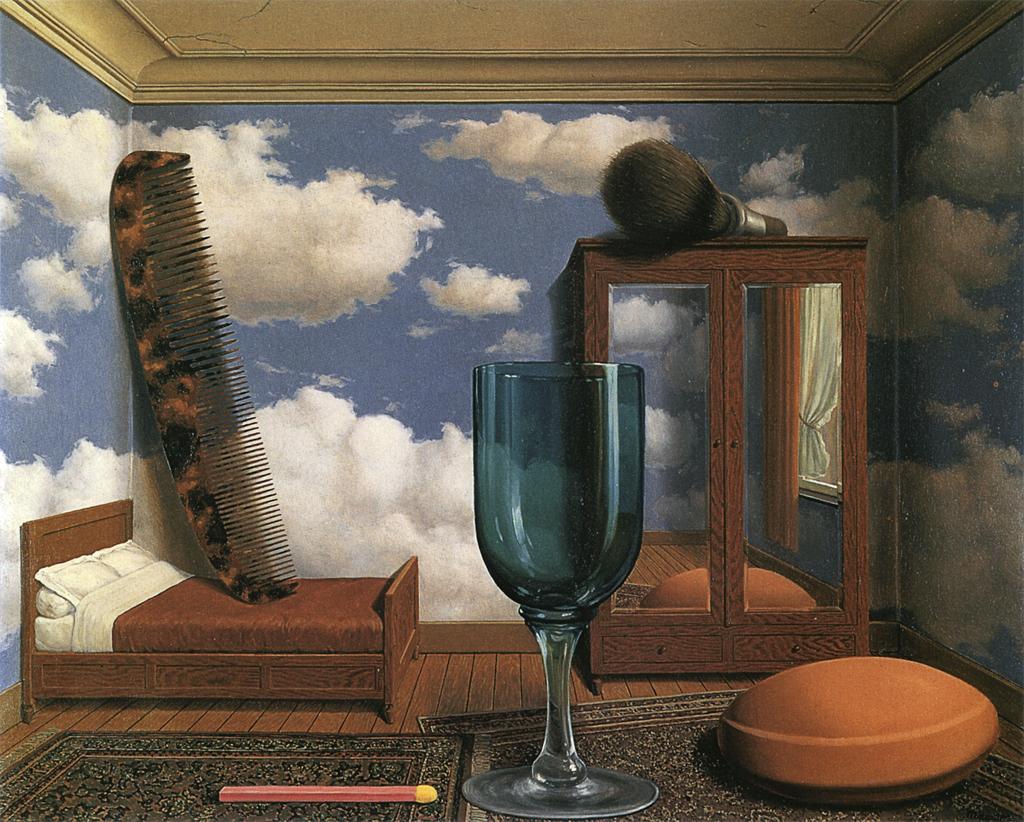
Two spatial relationships that will help organize your composition. By using scale and proportion in graphic design, you can create contrast, hierarchy, harmony, balance, emphasis, drama, meaning, and symbolism in your designs. Grasp the basics of proportion.
Principles Of Design Proportion And Scale Principle of design
Scale and proportion are relational elements of art and design. Nope, it’s way more nuanced. Once we have that scale set (either modular or dual stranded modular,.
The classic example is the relative size of parts of your face such as eyes and nose.
As one of the key principles artists follow in their work, proportion in design determines image balance and effectiveness. Proportion is the relative size of parts of a whole. Although understanding the ideas behind proportion and scale are important, design requires an awareness of every element and principal (check back for future blog posts about the various principals of design). It helps bring repetition, logical increments, and a baseline to start with.
By manipulating scale and proportion, architects can create designs that feel cohesive, balanced, and visually pleasing. Scale is the relative size of. Are scale and proportion in design just about size? Scale and proportion are slightly similar terms in interior design.
Principles Of Design Proportion And Scale Principle of design
### Jun 7, 2021 • 2 min read.
Such as the largeness or smallness of a room, object or. When combined, these two concepts help create a visually pleasing space that feels harmonious and balanced. Designers use proportion and scale to create. When it comes to interior design, the terms scale and proportion really mean different things, but the two are very intertwined.
Proportion is the component that ensures that the different components of the design fit. Proportion is defined as the relationship between the different elements of a design. We set up the scale to focus on what sizes certain elements will be. Proportion refers to the relationship between the size of parts of a.
Proportion & Scale MR.SANDERS CLASS
### Refers to the relative size and scale of the various elements in a design.
By following basic principles of design like hierarchy, balance, unity, and variety, you can create digital products and graphic designs that people love to use. Scale deals with the measurable. Just as the last post, we’ll begin with definitions to understand scale and balance in a design context. Master the art of balance.
Understanding scale and proportion are important in keeping a design balanced. Proportion or scale is an important aspect of landscape design that helps maintain balance and unity in a landscape. Scale refers to the relationship between the size of an object (a whole) to another object (another whole). This video introduces the concepts of scale and proportion:
Proportion/Scale ART Around the World
### Contrast, rhythm, proportion, balance, unity, emphasis, movement, and variety.
The issue is the relationship between objects, or parts, of a whole. These principles allow architects to establish a sense of. Understanding scale and proportion in art and design. This guide helps to understand the concepts of scale and proportion in interior design and 15 tips on how to use scale and proportion in interior design.
The principles of design are how those building blocks are arranged: Understand the rule of thirds. Scale is the size of one object relative to another, while proportion is the ratio. Often used alongside concepts like scale and.
Proportion In Graphic Design The Principles Of Design Proportion
### While scale is the relative size of objects, proportion is the relationship between them.
The 9 Principles That Govern The Realm of Design Balance EmphasisHow To Use Scale and Proportion in Interior Design? FoyrPin by Cale Warner on Scale/proportion Principles of designHow To Use Scale and Proportion in Interior Design? FoyrTop Major 6 Principles of Art and Design For Artists and BeginnersProportion and Scale Their application in Architecture Bruce Donnally